
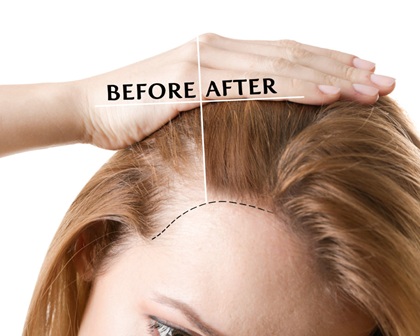
Hair transplantation is one of the most effective aesthetic procedures for achieving permanent and natural results in individuals experiencing hair loss. However, an equally important aspect of the procedure is the recovery process and proper post-operative care. The quality of the final outcome largely depends on how well this healing period is managed.
After a hair transplant, both the donor and recipient areas undergo a structured healing process that progresses in stages.
First 3 Days: The Critical Phase
The initial days after the procedure are the most sensitive period.
During this phase:
- Crust formation and redness may appear in the transplanted area
- Mild pain and tightness may be experienced in the donor area
- Protecting the scalp is extremely important
Patients should avoid any impact to the head and follow the recommended sleeping position, typically lying on the back with the head slightly elevated.
Days 4–10: Crusting and Early Healing
During this period, small scabs form in the transplanted area. This is a completely normal part of the healing process.
- Scabs begin to fall off naturally
- Scratching must be strictly avoided
- Gentle washing with medical shampoos is recommended
By the end of this phase, the scalp appears cleaner and more healed.
Weeks 2–4: Shock Shedding Phase
One of the most frequently discussed stages after hair transplantation is “shock loss.” This is a normal and expected process.
- A significant portion of transplanted hairs may shed
- This does not mean the grafts are lost
- Hair follicles remain alive beneath the skin
This phase is temporary and is often misunderstood by patients.
Months 2–3: Dormancy and Regrowth Phase
During this stage, hair follicles become active again and new hair begins to grow.
- Fine and thin hair strands appear
- Density is still low
- The process varies from person to person
Patience is especially important during this stage.
Months 4–6: Noticeable Improvement Phase
Hair transplant results begin to become more visible.
- Hair starts to thicken
- Density increases
- The hairline becomes more defined
At this stage, patients typically notice a significant change in their appearance.
Months 8–12: Final Results
Full results of a hair transplant are generally achieved within 8 to 12 months.
- Hair reaches its natural texture
- Maximum density is achieved
- The hairline fully stabilizes
- Permanent results become visible
In some cases, this process may extend up to 12–15 months.
Post-Hair Transplant Care Guidelines
1. Protection in the Early Days
- Avoid any trauma to the scalp
- Pay attention to sleeping position
- Do not interfere without medical guidance
2. Washing and Care
- Use medical shampoos as prescribed
- Avoid harsh movements
- Do not pick scabs
3. Sun Exposure and External Factors
- Protect the scalp from direct sunlight during the first weeks
- Hat use should be approved by the doctor
- Avoid excessive sweating and heavy exercise
4. Lifestyle Recommendations
- Smoking and alcohol may delay healing
- A balanced diet supports recovery
- Adequate water intake is recommended
Conclusion
The hair transplant recovery process is gradual and requires patience and proper care. Early stages such as scabbing and shock shedding are completely normal. Final and permanent results typically appear within 8–12 months.
With correct aftercare and regular medical follow-up, hair transplantation provides highly natural and satisfying long-term results.
Barış Yiğit Clinic Contact Information
📞 Phone: +90 532 451 84 48
📍 Address: Tuzla, Sadi Pekin Cad. No:4B/2, Fethiye, MUĞLA / TÜRKİYE
✉️ Email: info@barisyigit.com
🌐 Website: https://barisyigit.com/
