
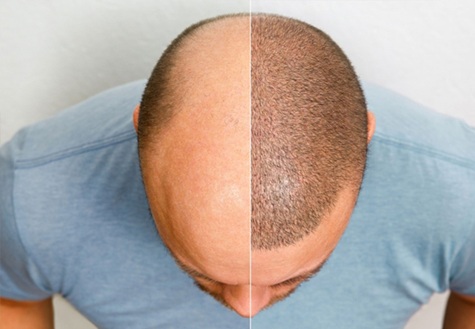
Hair loss is one of the most common aesthetic concerns affecting both men and women, and it can have a significant impact on self-confidence. Thanks to modern techniques, Hair Transplant procedures are now widely preferred to restore the hairline, increase density in thinning areas, and achieve a more natural overall appearance. However, one of the most common questions patients ask before treatment is: “Will a hair transplant leave scars?”
The answer depends on several factors, including the technique used, the patient’s skin type, the characteristics of the donor area, the healing process, and how the procedure is planned and performed. In hair transplantation, the goal is not only to promote new hair growth, but also to ensure that the entire process progresses in the most natural and aesthetically refined way possible.
So, does a hair transplant leave scars, what affects scar visibility, and what should patients know about the healing process?
Is It Normal to Have Some Scarring After a Hair Transplant?
A Hair Transplant is a minimally invasive procedure that involves micro-level intervention on the scalp. For that reason, from a technical point of view, the skin does go through a healing process in both the donor and recipient areas, and this may involve temporary healing marks or subtle tissue reactions.
However, in modern hair transplantation, the aim is to keep any visible scarring to an absolute minimum. In most patients, the healing signs that appear after the procedure become much less noticeable over time, especially when advanced techniques are used and the treatment is properly planned.
Does Scarring Depend on the Hair Transplant Technique?
Yes. One of the most important factors affecting scar appearance after hair transplantation is the technique used.
FUE Hair Transplant
FUE Hair Transplant is one of the most commonly preferred modern methods. In this technique, hair follicles are extracted one by one from the donor area. Because there is no strip removal, there is no linear scar in the donor region.
However, very small dot-like healing marks may form where the grafts are extracted. In most patients, these tiny marks become barely noticeable once the hair grows out and the donor area heals properly.
DHI Hair Transplant
DHI Hair Transplant is also a micro-precision technique. Since the implantation process is performed using specialized implanter pens, the procedure is designed in a way that helps keep visible signs in the recipient area very limited.
As with FUE, healing marks are generally subtle and tend to become much less visible over time when the procedure is performed correctly and aftercare instructions are followed.
Older Strip Techniques
Some older hair transplant methods involved removing a strip of tissue from the donor area. In such cases, a more visible linear scar could remain at the back of the scalp. Today, however, many modern clinics prefer more advanced and minimally invasive methods such as FUE Hair Transplant and DHI Hair Transplant, which significantly reduce the likelihood of noticeable scarring.
Will There Be Scars in the Donor Area?
The donor area is the region where hair follicles are harvested, usually from the back of the scalp. In methods such as FUE Hair Transplant, follicles are extracted individually, so small dot-like healing marks may occur in the donor region.
The visibility of these marks can vary depending on:
- the punch size used during extraction
- the number of grafts harvested
- the patient’s skin type
- the speed and quality of wound healing
- how carefully the procedure is performed
In most patients, once the hair grows back, the donor area retains a very natural appearance and these small marks become difficult to notice.
Will There Be Scars in the Recipient Area?
The recipient area is the region where the grafts are implanted. Because micro-channels are created during placement, it is completely normal to see temporary signs such as:
- crusting
- redness
- mild sensitivity
- small pinpoint healing marks
These early post-procedure signs do not necessarily mean permanent scarring. As healing progresses:
- crusts gradually fall away
- redness subsides
- the scalp surface begins to return to normal
When the procedure is performed with proper technique and followed by appropriate aftercare, a clearly visible permanent scar in the recipient area is generally not expected.
What Factors Affect Scar Visibility After Hair Transplant?
The appearance of healing marks after a hair transplant can vary from one person to another. This is not only related to the technique itself, but also to biological and procedural factors.
1. Skin Type and Healing Characteristics
Some people heal very quickly with minimal visible marks, while others may have more reactive or sensitive skin. Patients who are prone to prominent scarring or keloid formation may have a higher chance of noticeable scar appearance.
2. Technique and Equipment Used
Punch diameter, graft extraction pattern, implantation technique, and overall surgical planning can all directly affect how the scalp heals and how visible any marks may become.
3. The Experience of the Surgeon and Team
A Hair Transplant is not only a technical procedure but also an aesthetic one. Balanced donor area management, careful graft harvesting, and precise recipient area planning all play an important role in reducing the visibility of healing marks and preserving a natural result.
4. Post-Procedure Care
Not following aftercare instructions, removing crusts too early, exposing the scalp to trauma, or neglecting hygiene during the first days after the procedure may negatively affect healing and increase the likelihood of visible marks.
5. Number of Grafts and Scope of the Session
In cases where a very high number of grafts must be harvested, the donor area is subjected to a greater procedural load. This can affect how the donor area heals and how noticeable healing marks may be, especially in patients who wear their hair very short.
Are Scar-Like Marks Seen in the First Days Permanent?
In most cases, no.
During the first days after a Hair Transplant, it is normal to see:
- crusting
- redness
- mild bruising
- pinpoint healing marks
- scalp sensitivity
These findings are usually part of the normal healing process and should not be interpreted as permanent scarring. The final appearance of the donor and recipient areas generally takes several weeks to several months to settle, depending on the individual healing response.
How Can the Risk of Noticeable Scarring Be Reduced?
To support a healthier healing process and reduce the likelihood of visible marks, patients should follow postoperative instructions carefully. Important recommendations usually include:
- strictly following the first wash and aftercare instructions
- avoiding picking or forcibly removing crusts
- protecting both donor and recipient areas from trauma
- following sun protection recommendations
- following medical advice regarding smoking and nicotine use
- attending follow-up appointments as scheduled
These precautions can help the skin heal in a more controlled and aesthetically favorable way.
Are Scars More Visible If the Hair Is Worn Very Short?
They can be more noticeable in some patients—especially in the donor area—if the hair is shaved or worn extremely short. Dot-like extraction marks may become easier to see at very close range, depending on the technique used, the number of grafts harvested, the patient’s hair density, and skin characteristics.
When the hair is kept slightly longer, these marks are usually much less noticeable.
Do Hair Transplant Scars Disappear Completely?
From a medical perspective, saying that a procedure is “completely scar-free” is not always accurate, because a hair transplant still involves intervention on the skin and therefore a healing response. However, with modern methods and careful planning, any residual marks can often be reduced to a level that is extremely subtle and difficult to notice.
The key point is not whether the procedure can promise zero trace at all, but whether the chosen technique and clinic are able to minimize visible signs and preserve a natural donor and recipient area appearance.
Conclusion
Whether a Hair Transplant leaves visible scars depends on several factors, including the technique used, the patient’s skin type, the characteristics of the donor area, and the healing process. With modern methods such as FUE Hair Transplant and DHI Hair Transplant, the risk of a visible linear scar is very low, and any tiny dot-like marks in the donor area often become far less noticeable once the hair grows back.
For a natural and aesthetically pleasing result, it is not enough to focus only on hairline design or density planning. Protecting the donor area, using an appropriate technique, and managing postoperative care properly are just as important. For this reason, the best approach is always to undergo a detailed evaluation with an experienced specialist and create a treatment plan tailored to the individual patient.
Barış Yiğit Clinic Contact Information
📞 Phone: +90 532 451 84 48
📍 Address: Tuzla, Sadi Pekin Cad. No:4B/2, Fethiye, MUĞLA / TÜRKİYE
✉️ Email: info@barisyigit.com
🌐 Website: https://barisyigit.com/
