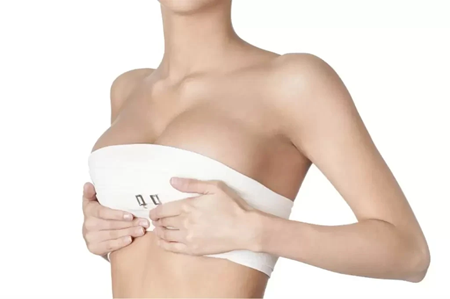
A Breast Lift (Mastopexy) is a cosmetic surgical procedure designed to reshape sagging breast tissue, reposition the nipple to a more youthful location, and create a firmer, more lifted breast appearance. Breast sagging caused by pregnancy, breastfeeding, weight fluctuations, aging, and decreased skin elasticity can often be effectively corrected with this procedure.
The success of a breast lift depends not only on the surgical technique but also on proper postoperative care. Following healthy nutritional habits and returning to exercise gradually can support wound healing while helping preserve the long-term aesthetic results.
So, how should you eat after a breast lift, and when is it safe to resume exercise?
Why Is Nutrition Important During the First Few Days?
After surgery, your body requires additional energy and nutrients to support tissue repair and wound healing.
A balanced diet may help:
- Support collagen production
- Promote wound healing
- Strengthen the immune system
- Reduce postoperative swelling
- Maintain energy levels during recovery
For these reasons, maintaining a nutritious and balanced diet is especially important during the first few weeks after surgery.
Prioritize Protein-Rich Foods
Protein is one of the most important nutrients for recovery after surgery.
Good sources of protein include:
- Eggs
- Chicken
- Turkey
- Fish
- Lean red meat
- Yogurt
- Kefir
- Cheese
- Legumes
Adequate protein intake supports tissue repair and contributes to a smoother healing process.
Pay Attention to Vitamins and Minerals
Certain vitamins and minerals play an essential role in wound healing.
Vitamin C
Foods rich in Vitamin C include:
- Oranges
- Tangerines
- Kiwi
- Strawberries
- Red peppers
- Broccoli
Vitamin C supports collagen synthesis, which is important for healthy wound healing.
Zinc
Foods containing zinc include:
- Lean red meat
- Seafood
- Pumpkin seeds
- Nuts
Zinc plays an important role in immune function and tissue repair.
Iron
Adequate iron intake may help reduce fatigue that can occur after surgery.
Stay Well Hydrated
Proper hydration is essential throughout the recovery period.
Drinking enough water may help:
- Reduce swelling
- Prevent constipation
- Support healthy circulation
- Improve skin health
Daily fluid requirements vary from person to person, but consistent hydration is strongly recommended during recovery.
Limit Salt Intake
Excessive sodium consumption during the first few weeks may contribute to fluid retention.
This may result in:
- Prolonged swelling
- Increased edema
Limiting highly salted and processed foods may help support a smoother recovery.
Avoid Smoking and Alcohol
Smoking is one of the most significant factors that can negatively affect wound healing.
Smoking may:
- Reduce blood circulation
- Delay tissue healing
- Increase the risk of infection
- Negatively affect scar quality
Alcohol consumption should also be approached cautiously during recovery. Always follow your surgeon’s recommendations regarding alcohol use after surgery.
Try to Maintain a Stable Weight
Rapid weight gain or weight loss after surgery may affect breast shape and long-term results.
Maintaining a healthy, stable weight may help:
- Preserve breast contour
- Support skin quality
- Maintain long-lasting surgical results
When Can You Resume Exercise?
The appropriate time to return to physical activity varies depending on the individual patient and the extent of the procedure.
For this reason, it is essential to follow your plastic surgeon’s personalized recommendations.
A general recovery timeline may include:
During the First Few Days
Short, gentle walks are often encouraged.
Walking may help:
- Improve circulation
- Reduce the risk of blood clots
- Promote mobility
However, strenuous physical activity should be avoided.
During the First 4–6 Weeks
Patients are generally advised to avoid:
- Heavy lifting
- Exercises that heavily engage the chest muscles
- High-intensity cardio workouts
Sudden arm movements should also be minimized to prevent unnecessary tension on the healing breast tissues.
Returning to Sports Later
Once approved by your surgeon, you may gradually resume activities such as:
- Brisk walking
- Light cardiovascular exercise
- Pilates
- Yoga
- Fitness training
Exercises that heavily target the chest muscles should only be resumed after receiving medical clearance.
Why Is Wearing a Surgical or Sports Bra Important?
Your surgeon may recommend wearing a postoperative compression bra or supportive sports bra.
These garments may help:
- Support the healing breast tissue
- Reduce swelling
- Maintain the new breast shape
- Minimize movement during daily activities
The recommended duration of use varies for each patient and should be determined by your surgeon.
Which Activities Should Be Avoided?
During the first several weeks, patients are generally advised to avoid:
- Heavy lifting
- Push-ups
- Bench press and other chest-focused strength exercises
- Sudden arm movements
- Running or high-impact exercise
- Contact sports
These activities may interfere with proper healing and should only be resumed after medical approval.
Regular Follow-Up Visits Are Part of Recovery
Nutrition and exercise are important, but routine follow-up appointments are equally essential.
During follow-up visits, your surgeon may evaluate:
- Overall healing progress
- Swelling and tissue recovery
- Readiness to resume exercise
- Whether postoperative care recommendations should be adjusted
These evaluations help support optimal long-term aesthetic results.
Conclusion
Following proper nutrition and a gradual return to exercise after a Breast Lift can significantly support the healing process. Eating a balanced diet rich in protein, vitamins, and minerals, staying hydrated, and avoiding smoking and alcohol may all contribute to a smoother recovery.
Physical activity should be resumed gradually and only according to your surgeon’s recommendations. Combined with regular follow-up appointments and healthy lifestyle habits, these measures can help maintain both your recovery and your long-term aesthetic outcome.
Barış Yiğit Clinic Contact Information
📞 Phone: +90 532 451 84 48
📍 Address: Tuzla, Sadi Pekin Cad. No:4B/2, Fethiye, MUĞLA / TÜRKİYE
✉️ Email: info@barisyigit.com
🌐 Website: https://barisyigit.com/
