
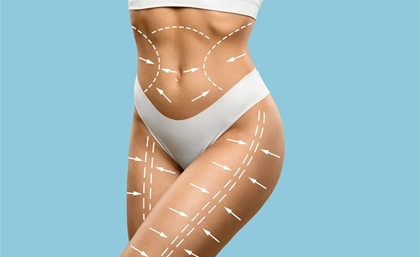
Stubborn fat deposits, loose skin, and body contour irregularities that do not improve despite a healthy diet and regular exercise often lead individuals to consider cosmetic surgery. Today, body contouring procedures can help create a more balanced and aesthetically pleasing silhouette by enhancing areas such as the abdomen, waist, hips, thighs, buttocks, arms, and flanks.
Body contouring is not a single procedure but rather a personalized treatment approach that may involve one or several surgical techniques depending on the patient’s needs. Achieving optimal results depends not only on the surgical procedure itself but also on careful preparation before surgery and proper postoperative care.
So, what should you pay attention to before and after body contouring surgery?
What Is Body Contouring?
Body contouring refers to a group of cosmetic surgical procedures designed to improve body proportions, reduce localized fat deposits, tighten loose tissues, and create a more sculpted appearance.
Depending on individual goals, treatment may include one or a combination of the following procedures:
- Vaser Liposuction
- Tummy Tuck (Abdominoplasty)
- Mommy Makeover
- Arm Lift (Brachioplasty)
- Thigh Lift
- Buttock Enhancement
- Fat Transfer
Each treatment plan is customized according to the patient’s anatomy and aesthetic goals.
Preoperative Care Plan
1. Comprehensive Consultation and Surgical Planning
The first step toward a successful outcome is a detailed consultation.
During the evaluation, your surgeon will assess:
- Overall body proportions
- Distribution of localized fat deposits
- Skin elasticity
- General health status
- Your aesthetic goals and expectations
Based on these findings, a personalized surgical plan is created.
2. Reach a Stable, Healthy Weight
Body contouring is not a weight-loss procedure.
The best results are generally achieved in patients who:
- Are close to their ideal body weight
- Have maintained a stable weight for an extended period
If significant weight changes are planned, discuss this with your surgeon before surgery.
3. Stop Smoking and Limit Alcohol
Smoking may:
- Reduce blood circulation
- Delay wound healing
- Increase the risk of complications and infection
For these reasons, your surgeon may recommend stopping smoking several weeks before and after surgery.
Alcohol consumption should also follow your surgeon’s recommendations.
4. Inform Your Surgeon About All Medications
Before surgery, provide your surgeon with a complete list of all medications and supplements you take.
This includes:
- Blood-thinning medications
- Herbal supplements
- Vitamins and nutritional supplements
Some medications may need to be adjusted or temporarily discontinued before surgery, but only under your surgeon’s guidance.
5. Maintain a Healthy Diet
A balanced diet before surgery may support recovery.
Focus on:
- Protein-rich foods
- Fresh fruits and vegetables
- Adequate hydration
- Limiting processed foods
Good nutrition helps prepare your body for healing.
6. Prepare for Surgery
Before your operation:
- Pack comfortable, loose-fitting clothing.
- Arrange for someone to assist you during the first few days of recovery.
- Follow all fasting and medication instructions provided by your surgeon.
- Prepare your home to make recovery as comfortable as possible.
Postoperative Care Plan
1. Prioritize Rest During the First Few Days
After surgery, your body needs adequate rest to support healing.
However, prolonged bed rest should be avoided.
Short, gentle walks as recommended by your surgeon may:
- Improve circulation
- Reduce the risk of blood clots
- Support mobility during recovery
2. Wear Your Compression Garment as Directed
Many body contouring procedures require wearing a medical compression garment.
Compression garments may help:
- Support healing tissues
- Reduce swelling
- Maintain the newly sculpted body contour
- Improve overall comfort during recovery
Wear the garment for the duration recommended by your surgeon.
3. Continue Healthy Nutrition
After surgery, prioritize:
- High-protein meals
- Adequate water intake
- Fiber-rich foods
- Reduced sodium consumption
These habits may support healing and help minimize postoperative swelling.
4. Stay Gently Active
Light walking during the early recovery period may:
- Promote healthy circulation
- Improve mobility
- Help reduce the risk of blood clots
Strenuous activities should be avoided until cleared by your surgeon.
5. Return to Exercise Gradually
Always obtain your surgeon’s approval before resuming exercise.
In general:
- Gentle walking is encouraged early in recovery.
- Brisk walking and light exercise may be introduced after several weeks.
- Weight training and more intensive workouts should wait until healing is complete.
Recovery timelines vary between individuals.
6. Follow Proper Incision Care
Keeping surgical incisions clean is essential.
Carefully follow your surgeon’s recommendations regarding:
- Dressing changes
- Showering
- Scar management using creams or silicone-based products if recommended
Proper wound care supports healthy healing.
7. Maintain a Stable Weight
Significant weight gain or loss after surgery can affect your long-term results.
Maintaining:
- A balanced diet
- Regular physical activity
- Healthy lifestyle habits
helps preserve your new body contours.
8. Attend All Follow-Up Appointments
Regular follow-up visits allow your surgeon to monitor:
- Healing progress
- Swelling reduction
- Recovery milestones
- Return to work and physical activity
Routine check-ups also allow early identification of any concerns.
Why Patience Is Important During Recovery
The final results of body contouring are not immediately visible.
During the first few weeks, it is normal to experience:
- Swelling
- Fluid retention
- Mild firmness of the treated areas
As swelling gradually subsides, body contours become more defined.
Final results typically continue to improve over several months.
Long-Term Results Depend on a Healthy Lifestyle
Body contouring provides a new foundation, but maintaining the results depends largely on healthy daily habits.
Long-term success is supported by:
- Balanced nutrition
- Regular exercise
- Adequate hydration
- Avoiding smoking
- Attending routine follow-up appointments
Conclusion
Successful body contouring involves much more than the surgical procedure itself. Proper preparation before surgery, healthy lifestyle habits, and careful adherence to postoperative instructions all contribute to a safe recovery and optimal aesthetic results.
Following a balanced diet, wearing compression garments as directed, caring for your incisions, gradually returning to exercise, and maintaining regular follow-up appointments can support healing while helping preserve your new body contours for years to come. A personalized care plan remains one of the most important components of a successful body contouring journey.
Barış Yiğit Clinic Contact Information
📞 Phone: +90 532 451 84 48
📍 Address: Tuzla, Sadi Pekin Cad. No:4B/2, Fethiye, MUĞLA / TÜRKİYE
✉️ Email: info@barisyigit.com
🌐 Website: https://barisyigit.com/
