
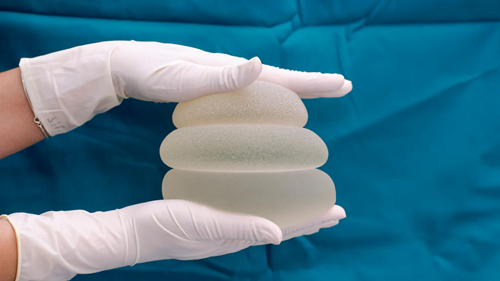
Some patients who have previously undergone Breast Augmentation surgery may require breast implant replacement years later. This may occur because the implant has reached the end of its lifespan, capsular contracture has developed, aesthetic preferences have changed, or the patient wishes to switch to implants of a different size or shape.
One of the most common questions asked by patients considering breast implant replacement is:
“Will new scars develop after breast implant replacement surgery?”
The answer depends on several factors, including the surgical technique used, the location of the existing incisions, and the patient’s individual healing characteristics. However, in most cases, surgeons aim to minimize new scar formation by reusing existing incision sites whenever possible.
What Is Breast Implant Replacement?
Breast Implant Replacement is a surgical procedure that involves removing existing breast implants and replacing them with new ones.
This operation may be performed for several reasons, including:
- Changing implant size
- Updating the implant type
- Replacing worn, damaged, or ruptured implants
- Correcting capsular contracture
- Improving changes in breast shape and contour
Breast implant replacement can help restore both the aesthetic appearance and comfort of the breasts while addressing concerns that may arise over time.
Can Existing Scars Be Used During Implant Replacement Surgery?
In most cases, yes.
During breast implant replacement procedures, surgeons typically prefer to use the same incision line that was created during the initial surgery.
This approach offers several advantages:
- Reduces the need for new incisions
- Helps prevent additional visible scars
- Preserves the aesthetic appearance of the breasts
- Allows for a more controlled healing process
Existing scars located within the inframammary fold (under the breast), around the areola, or in the armpit area can often be reused during surgery.
Are There Situations Where New Scars May Be Necessary?
In certain circumstances, additional incisions may be required.
Examples include:
- When a new implant pocket must be created
- In cases of advanced capsular contracture
- When Breast Lift surgery is performed during the same procedure
- When significant repositioning of the breasts is planned
These situations vary from patient to patient and require a personalized surgical evaluation.
How Do Scars Appear During the Early Recovery Period?
The appearance of scars changes significantly throughout the healing process.
During the first few weeks after surgery, patients may experience:
- Redness around the incision site
- Mild swelling or raised scar tissue
- A more noticeable healing line
These findings are generally temporary and represent a normal stage of wound healing.
How Long Does It Take for Scars to Fade?
Scar maturation takes time and varies from person to person.
First 1–3 Months
- Scars may appear more prominent
- The incision line may be pink or red in color
3–6 Months
- The scar gradually begins to fade
- The tissue becomes softer and smoother
6–12 Months
- Scars typically become thinner
- They become significantly less noticeable
In some patients, scar maturation may continue for up to 18 months before the final appearance is achieved.
Factors That Affect Scar Visibility
Every individual heals differently, and several factors can influence how noticeable scars become.
These include:
- Genetic predisposition
- Skin type and quality
- Smoking habits
- Postoperative wound care
- Sun exposure
- Infection during the healing process
Patients who follow their surgeon’s recommendations carefully often achieve more favorable scar outcomes.
How Can Scars Be Made Less Noticeable?
Proper postoperative care can significantly improve scar healing.
Common recommendations include:
- Keeping the incision area clean
- Performing regular wound care and dressing changes
- Avoiding smoking
- Protecting scars from direct sun exposure
- Using silicone-based scar care products recommended by the surgeon
These measures can help scars mature more effectively and become less visible over time.
Scarring When Breast Implant Replacement Is Combined with a Breast Lift
Some patients undergo Breast Lift surgery at the same time as breast implant replacement.
In these cases:
- The nipple position may be adjusted
- Excess skin may be removed
- Additional incision lines may be necessary
As a result, more scarring may occur compared to implant replacement alone. However, these scars generally continue to fade and improve as the healing process progresses.
Do Scars Completely Disappear After Breast Implant Replacement?
No surgical scar disappears completely.
However, thanks to modern surgical techniques and proper scar management, scars can often:
- Fade into thin, fine lines
- Blend into natural skin folds
- Become difficult to notice in everyday life
For many patients, scars are not aesthetically bothersome once healing is complete.
Conclusion
Scarring after Breast Implant Replacement surgery is possible. However, because surgeons often reuse existing incision lines, the formation of new scars can usually be kept to a minimum. Scar appearance gradually improves over time and typically becomes less noticeable within 6 to 12 months.
Choosing an experienced surgeon, following proper wound-care instructions, and adhering to all postoperative recommendations are essential for achieving the best possible aesthetic outcome.
Barış Yiğit Clinic Contact Information
📞 Phone: +90 532 451 84 48
📍 Address: Tuzla, Sadi Pekin Cad. No:4B/2, Fethiye, MUĞLA / TÜRKİYE
✉️ Email: info@barisyigit.com
🌐 Website: https://barisyigit.com/
