
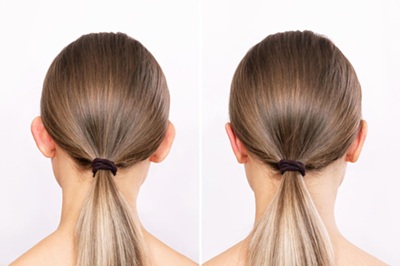
Prominent ears are a common anatomical variation in which the ears protrude more noticeably from the sides of the head. Although this condition does not affect hearing, it can have a significant impact on self-confidence, particularly during childhood and adolescence. For this reason, Prominent Ear Surgery (Otoplasty) is one of the most commonly performed cosmetic procedures to reposition the ears into a more natural and balanced appearance.
When performed by an experienced plastic surgeon on appropriately selected patients, otoplasty is considered a safe and highly successful procedure with high patient satisfaction rates. However, as with any surgical intervention, Prominent Ear Surgery carries certain risks and potential complications.
Understanding these possibilities helps patients develop realistic expectations and make informed decisions before undergoing surgery.
Is Prominent Ear Surgery (Otoplasty) Safe?
Yes. Prominent Ear Surgery (Otoplasty) is generally considered a safe cosmetic procedure when performed under appropriate conditions by an experienced plastic surgeon.
The primary goals of surgery are to:
- Reshape the natural folds of the ear cartilage
- Improve the angle between the ears and the head
- Create a more natural and symmetrical appearance
Although complications are relatively uncommon, no surgical procedure is entirely free of risk.
Every Surgical Procedure Involves Some Degree of Risk
No operation can completely eliminate the possibility of complications.
The likelihood of developing complications depends on several factors, including:
- Overall health condition
- Ear anatomy
- Smoking habits
- Individual healing capacity
- Postoperative care
- Surgical technique
1. Bleeding and Hematoma
Although uncommon, blood may accumulate beneath the skin after surgery, a condition known as a hematoma.
Symptoms may include:
- Sudden swelling
- Increased pain
- Bruising
- A feeling of pressure or tightness
In certain cases, drainage of the accumulated blood may be required.
2. Risk of Infection
Like any surgical procedure, otoplasty carries a small risk of infection.
Possible signs include:
- Increasing redness
- Swelling
- Warmth around the incision
- Drainage
- Fever
Following postoperative hygiene instructions and taking prescribed medications as directed can help reduce the risk of infection.
3. Swelling and Bruising
During the first few days after surgery, it is normal to experience:
- Mild swelling
- Bruising
- Tenderness
These symptoms generally improve gradually over the following days and weeks.
4. Pain and Tenderness
Most patients experience mild to moderate discomfort after surgery.
Pain is usually well managed with medications prescribed by the surgeon.
The ears may also remain sensitive to touch for several weeks, which is considered a normal part of healing.
5. Temporary Changes in Sensation
Some patients notice temporary sensory changes around the ears, including:
- Numbness
- Tingling
- Reduced sensation
These symptoms typically improve as the small sensory nerves recover during the healing process.
6. Asymmetry
Perfect symmetry does not naturally exist in the human face or ears.
Despite careful surgical planning, minor asymmetry may develop during healing.
Significant asymmetry is uncommon but may occasionally require revision surgery.
7. Suture-Related Issues
Permanent or long-lasting sutures are commonly used to reshape the ear cartilage.
Rarely, patients may experience:
- Loosening of sutures
- Palpable knots beneath the skin
- Visible sutures
- Local tissue reaction to the sutures
If these issues occur, they can usually be evaluated and managed by the surgeon.
8. Healing That Differs from Expectations
Every patient heals differently.
In rare cases, healing may result in:
- Partial recurrence of ear prominence
- Less correction than expected
- Overcorrection
- Variations in cartilage contour
For this reason, maintaining realistic expectations before surgery is essential.
9. Scar Formation
Incisions used during otoplasty are typically hidden behind the ear.
As a result, scars usually become very discreet and are difficult to notice after healing.
However, some individuals may develop abnormal scar formation, including:
- Hypertrophic scars
- Keloid scars
Patients with a personal or family history of excessive scarring should inform their surgeon during the consultation.
10. Revision Surgery
After complete healing, a small number of patients may choose or require a secondary procedure to:
- Improve symmetry
- Refine ear position
- Correct minor aesthetic concerns
Revision surgery is not common but remains a possibility with any cosmetic procedure.
How Can the Risk of Complications Be Reduced?
Reducing the likelihood of complications depends on both careful surgical planning and patient compliance during recovery.
Patients are generally advised to:
- Choose an experienced plastic surgeon
- Wear the postoperative head dressing or compression band as instructed
- Protect the ears from accidental trauma during the early healing period
- Take prescribed medications exactly as directed
- Attend all scheduled follow-up appointments
- Follow recommendations regarding smoking cessation
Adhering to these instructions supports optimal healing and helps minimize complications.
When Should You Contact Your Surgeon?
Patients should contact their surgeon promptly if they experience:
- Severe or worsening pain
- Sudden swelling
- Excessive bleeding
- Foul-smelling drainage
- Fever
- Significant changes in skin color around the ear
Early evaluation and treatment can help prevent more serious complications.
Conclusion
Prominent Ear Surgery (Otoplasty) is a safe and effective cosmetic procedure that helps create a more balanced and natural ear appearance. Nevertheless, as with any surgery, potential risks include bleeding, infection, swelling, temporary sensory changes, asymmetry, scar formation, and, in rare cases, the need for revision surgery.
Most of these risks can be minimized through careful patient selection, meticulous surgical planning, an experienced plastic surgeon, and strict adherence to postoperative care instructions. Before undergoing surgery, patients should have a thorough consultation to discuss all potential risks, expected outcomes, and the most appropriate treatment plan for their individual needs.
Barış Yiğit Clinic Contact Information
📞 Phone: +90 532 451 84 48
📍 Address: Tuzla, Sadi Pekin Cad. No:4B/2, Fethiye, MUĞLA / TÜRKİYE
✉️ Email: info@barisyigit.com
🌐 Website: https://barisyigit.com/
